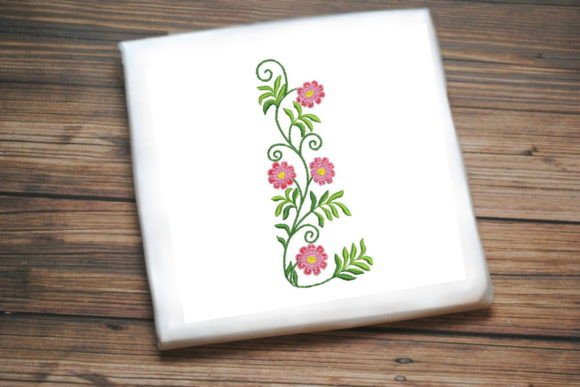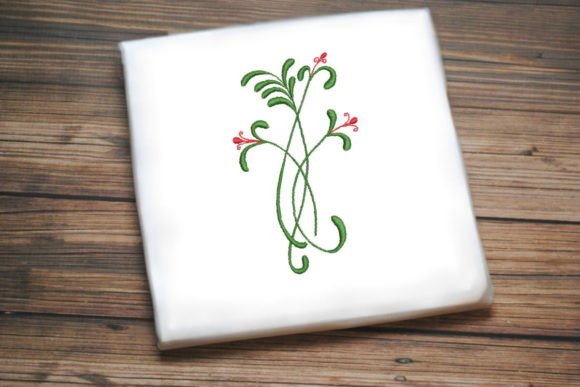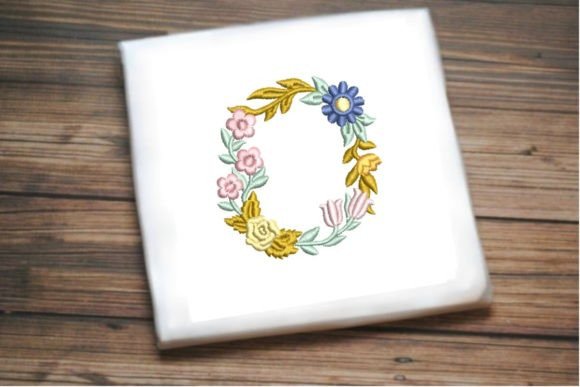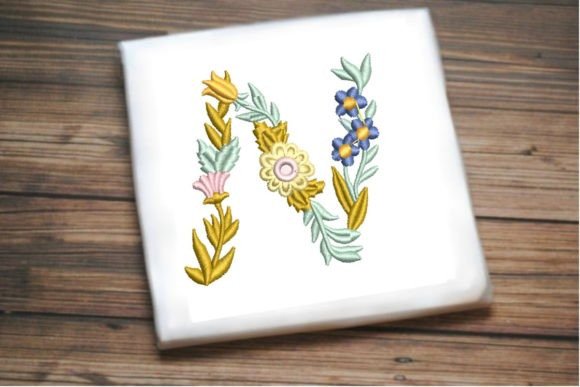
Creeping Blue Flowers
First Impression: Soft, Whimsical, and Instantly Recognizable
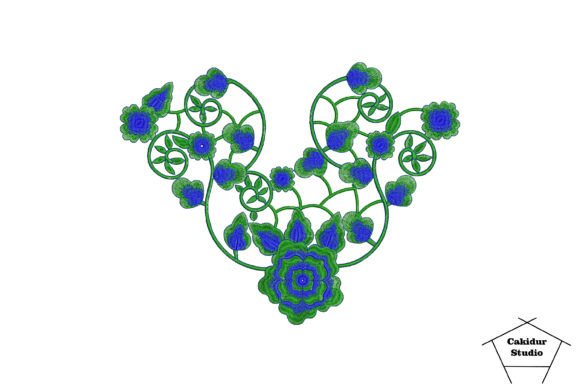
As an embroidery designer who’s prepped over 200 craft fair booths—and shipped thousands of embroidered tote bags, aprons, and tea towels—I opened Creeping Blue Flowers expecting charm. What I got was more: a quiet confidence in its botanical rhythm. The name alone evokes movement—tendrils curling, blossoms drifting across fabric like morning mist. It doesn’t shout “bold” or “festive.” Instead, it lands as soft, modern-farmhouse with a whisper of elegance. That’s gold for handmade markets. Shoppers pause for gentle beauty—not just novelty—and Creeping Blue Flowers delivers that pause without needing explanation.
Where It Shines: Craft Fair-Ready Product Pairings
This isn’t a one-trick design. Its organic flow adapts beautifully across product categories—especially when scaled intentionally.
- Tote bag design: Centered on the front of a natural canvas tote, Creeping Blue Flowers reads as intentional, not busy. At 4–5 inches wide, it balances utility and artistry—ideal for shoppers seeking “thoughtful handmade,” not mass-produced flair.
- Apron embroidery: Placed just below the pocket or along the waistband curve, the creeping motif echoes fabric drape. Customers love how it personalizes kitchen wear without overwhelming function.
- Tea towel embroidery: On linen or cotton toweling, this design lifts everyday utility into giftable territory. Its open spacing avoids stiffness—even after repeated washing—so it stays soft and tactile.
- Embroidered patch: As a sew-on or iron-on patch, Creeping Blue Flowers becomes versatile inventory: stitch it onto denim jackets, backpacks, or kids’ lunchboxes. Its clear silhouette holds up at 2.5–3 inches—no lost detail.
- Pillow cover & small pouch: Here, it thrives as a focal point. The trailing stems create visual flow across square or rounded edges, making even simple shapes feel curated.
What Makes It Sell—Beyond Aesthetics
At a crowded craft fair, attention is currency. Creeping Blue Flowers wins because it’s instantly legible from three feet away—no squinting, no decoding. Its line weight varies thoughtfully: thicker vines anchor the eye; delicate buds invite closer inspection. That duality drives engagement: browsers stop, touch the texture, then ask, “Is this hand-stitched?” (Even though it’s machine embroidery, the quality reads as artisanal.)
For Etsy sellers and small shop owners, this design boosts perceived value. Paired with neutral fabrics and high-thread-count cotton, it signals care—not just craft. And because it belongs to the Bouquets category, it fits naturally into seasonal bundles (think: “Spring Botanical Collection”) or gift sets—increasing average order value.
Production Realities: What You Must Test Before Booth Day
Don’t skip the mockup stage. Creeping Blue Flowers performs best when you honor its rhythm—not force it.
- Stitch density matters: Areas where stems overlap or flowers cluster may run dense. Always test on your target fabric with recommended stabilizer—especially on textured tea towels or thick denim aprons. Too much density = puckering. Too little = loss of definition.
- Hoop size & placement: This design flows horizontally. For curved surfaces (like caps), avoid stretching the motif across seams or crowns—opt instead for side-embroidery on structured caps or use it on flat panels like bucket hats.
- Fabric contrast is non-negotiable: On dark fabric, verify thread colors deliver enough pop. Blues can mute against navy or charcoal unless paired with crisp white or pale ecru accents. Always stitch a swatch before committing to 50 tea towels.
- Small-scale clarity: Below 2 inches, fine petal details soften. Reserve tiny versions (e.g., for keychain patches) only if your embroidery file includes simplified alternate versions—or plan to use it larger, where its strength lies.
Booth & Brand Impact: Why It Strengthens Your Display
A well-curated craft fair table tells a story. Creeping Blue Flowers anchors that narrative with cohesion. Use it across multiple product types—tote + apron + pillow—and your booth reads as intentional, not scattered. Customers subconsciously connect the dots: “This maker has a signature style.” That builds trust and repeat visits.
It also photographs exceptionally well for digital listings. The contrast between blue blooms and natural fabric creates clean, scroll-stopping Etsy thumbnails. Pair it with a printable mockup showing real fabric textures (linen, canvas, chambray), and your online shop gains credibility before the first sale.
Final Designer Notes: Your Pre-Production Checklist
Before cutting fabric or loading hoops, do this:
- Test the machine embroidery design on scrap fabric matching your final product’s weight and weave.
- Confirm thread colors complement—not compete with—your base fabric. Try matte cotton threads for softness; rayon for sheen.
- Review spacing: Are stems breathing? Does the design sit comfortably within your hoop size—or does it require repositioning?
- Inspect stitch direction: Flowing left-to-right mimics natural growth—and reads better on garments worn in motion (like aprons or totes).
- Use cutaway stabilizer for stretchy or unstable fabrics; tear-away works well for stable cottons and linens.
- Create at least one real mockup—not just digital. Hold it in natural light. Walk away and come back: Does it still feel special?
- Compare fabric colors side-by-side: A cream linen vs. oatmeal canvas changes how blues read. Document what works.
- Verify commercial licensing status. If selling finished products, ensure your digital embroidery file includes rights for small-batch commercial embroidery.
Creeping Blue Flowers isn’t just another embroidery file—it’s a quiet differentiator. In a sea of geometric prints and scripted quotes, it offers grounded beauty that sells itself. Whether you’re stitching for a Saturday market, building an Etsy brand, or launching a boutique line of handmade products, this design earns its place—not as filler, but as a signature.