Cute Red Floral: A Smart Embroidery Choice for Small Business Brands
First Impression: Friendly, Elegant, and Ready for Branding
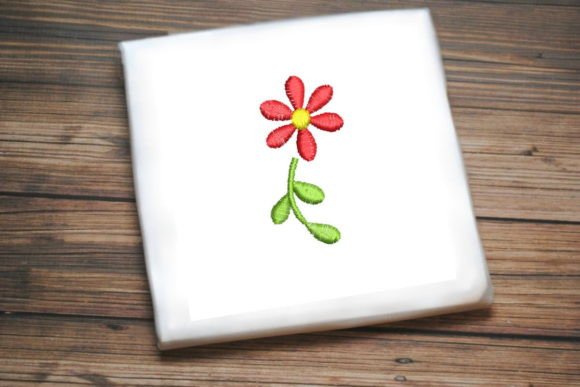
As an embroidery designer who’s developed hundreds of commercial designs for cafés, boutiques, florists, and handmade studios, my first read on Cute Red Floral is immediate: it’s approachable without sacrificing polish. The name alone signals warmth and intention—“cute” suggests charm and accessibility; “red floral” delivers energy, femininity, and visual pop. It doesn’t lean into kitsch or overcomplication. Instead, it lands as a refined single-flower motif—clean enough for a modern bakery apron, expressive enough for a pet brand’s tote bag, and elegant enough to elevate boutique merchandise.
Real-World Performance Across Small Business Merch
Cute Red Floral shines where small businesses need versatility and impact: embroidered patches, staff uniforms, cap fronts, and product packaging accents. Its balanced proportions and open negative space make it highly legible at 2.5–3 inches—the sweet spot for chest logos on work shirts or sleeve details on café aprons. On cotton twill caps, it reads clearly without distortion, especially when digitized with gentle curve compensation. As a machine embroidery design for tote bags, it adds artisanal credibility without overwhelming the canvas—ideal for Etsy sellers bundling handmade goods with branded carryalls.
For custom apparel like linen aprons or organic cotton tees, Cute Red Floral reinforces a handmade product aesthetic while maintaining professionalism. Florists and creative studios use it as a subtle yet memorable brand identifier—stitched discreetly on garment hems or woven labels. In commercial embroidery settings, its “fun and easy to stitch” nature translates to reliable stitch-out consistency across fabric types, reducing rework and thread breaks during bulk production.
Where to Use Cute Red Floral Thoughtfully
Like any strong embroidery file, Cute Red Floral benefits from strategic placement. Avoid compressing it below 1.75 inches—its floral form loses definition in ultra-small patch sizes, especially on curved surfaces like baseball cap fronts or rounded product tags. On dark uniforms (navy, charcoal, black), verify thread color contrast: vibrant reds or burgundies hold up best, but soft pinks or muted rusts may fade visually. High stitch density isn’t implied in the description, but always inspect the digital embroidery file before scaling—tight petal outlines or fine stem details can snag on textured fabric like burlap or heavy denim.
Frequent-wash items—think restaurant aprons or daycare staff shirts—demand attention to stabilizer choice and underlay. A medium-weight cutaway stabilizer supports Cute Red Floral’s structure across laundering cycles, preserving crispness far longer than tear-away alone. And while it’s described as “gorgeous when stitched onto any fabric,” performance varies: test on your actual substrate—linen blends behave differently than polyester poplin, and stretch knits require additional hooping care.
Strengthening Brand Identity—Without Saying a Word
Small business owners often underestimate how much a single, well-chosen embroidered patch builds trust and recognition. Cute Red Floral works because it feels intentional—not generic, not overly literal, not trend-chasing. A local florist using it on staff aprons signals care and craft; a handmade soap brand stitching it onto gift box tags implies botanical authenticity and tactile quality. That quiet consistency across touchpoints—caps, totes, packaging—builds visual cohesion that customers subconsciously associate with reliability.
It also lifts perceived product value. Customers pay more for merchandise that looks professionally finished—and Cute Red Floral’s elegance helps position even simple items (like a canvas tote) as premium keepsakes. For Etsy sellers, that distinction matters: buyers scroll past cluttered or pixelated designs, but pause for something like Cute Red Floral—balanced, confident, and quietly distinctive.
Practical Designer Notes Before You Stitch
Before committing to bulk production, run these checks:
- Test in black and white first—verify shape clarity and silhouette integrity without color distraction.
- Check minimum viable size—scale down to 1.75” and stitch a sample patch to assess detail retention.
- Review thread color contrast—especially against your base fabric; reds pop on light backgrounds but may need tone adjustment on heather greys or ecru.
- Inspect spacing and underlay—look for tight corners or overlapping elements that could cause puckering on lightweight fabrics.
- Confirm hoop size compatibility—most single-flower embroidery files fit standard 4x4 hoops, but verify before loading into your commercial embroidery machine.
- Test on real fabric—not just stabilizer swatches—using your exact garment or patch material.
- Create a printable mockup for client approval, showing Cute Red Floral in context: on a cap front, apron corner, or tote handle strap.
- Compare beside existing design assets—does it harmonize with your logo, typography, and other embroidered elements?
- Confirm commercial licensing—since you’re using Cute Red Floral for small business merch, ensure your purchase includes rights for resale, promotional use, and client projects.
Final Thought: More Than a Flower—A Branding Tool
Cute Red Floral isn’t just another single-flower embroidery design—it’s a functional, scalable asset for small business branding. Whether you’re a solo craftsperson launching your first Etsy line or an embroidery shop outfitting a neighborhood bakery, this design delivers visual warmth, professional polish, and real-world adaptability. It bridges handmade charm with commercial readiness—making it a rare find in the crowded world of digital embroidery files. When paired with thoughtful digitizing, smart fabric choices, and consistent application, Cute Red Floral becomes more than decoration. It becomes part of your story.