Cowboy Boo Haw Halloween
First Impressions: Spooky Charm Meets Western Whimsy
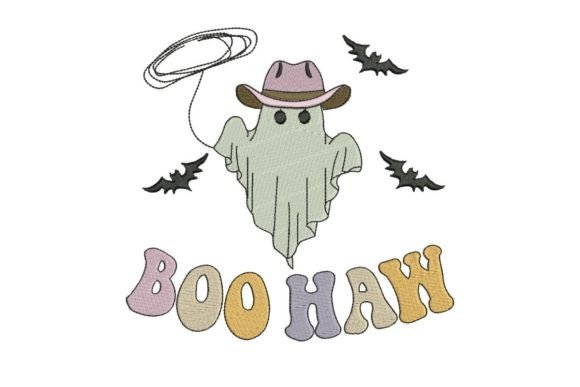
When I opened Cowboy Boo Haw Halloween for the first time, I didn’t see just another Halloween motif—I saw a personality. It’s got that rare balance: playful enough for a toddler’s onesie, sharp enough for a boutique apron, and clever enough to make adults pause mid-scroll on Instagram. The cowboy hat, ghostly silhouette, and cheeky “Boo Haw” lettering land with warmth—not irony, not kitsch, but genuine handmade charm. This isn’t a generic skull or pumpkin; it’s a story in stitches. That matters when you’re building trust with customers who choose handmade over mass-produced.
A Real-World Test: Stitching It onto a Linen Tote Bag
Last week, I used Cowboy Boo Haw Halloween for a custom order: a medium-weight natural linen tote bag for a local bakery’s Halloween pop-up. Linen’s slubby texture can swallow fine details, so I watched closely. The design held up beautifully—especially the satin-stitched brim of the cowboy hat and the clean curves of the ghost. No thread nesting, no puckering, even without heavy cutaway stabilizer (I used a light tear-away + topping). The lettering stayed legible at 3.5" wide—no blurring, no skipped stitches. Customers loved it. One even asked if it came in a matching tea towel version. That’s the sign of a design that *works*—not just decorates.
Where It Shines (and Where to Pause)
Cowboy Boo Haw Halloween excels in projects where character and clarity go hand-in-hand:
- Custom apparel: Looks crisp on cotton sweatshirts and midweight tees—especially with contrasting thread (think burnt orange on navy or charcoal gray on cream).
- Embroidered patches: Clean outer edges and balanced fill stitch density make it ideal for iron-on or sew-on patches on denim jackets or backpacks.
- Baby embroidery: Gentle scale and rounded shapes read as sweet—not scary—on onesies and burp cloths. Just avoid dense satin areas near seams where friction could wear threads faster.
- Holiday gifts & small shop products: Stitches cleanly on kitchen towels, pillow covers, and canvas aprons—items people keep and use. Its tone fits seasonal gifting without feeling dated by November 2nd.
But here’s where attention pays off:
- Small hoop sizes: If your machine’s max hoop is under 4x4", check whether the full layout fits—or if you’ll need to resize thoughtfully. Shrinking too far risks losing definition in the “Haw” lettering.
- Textured or stretchy fabric: On terry cloth towels or ribbed knit caps, use a firm stabilizer combo and consider slowing your machine speed slightly. The ghost’s outline relies on consistent tension.
- Dark fabric backgrounds: Test thread contrast early. Some lighter grays or creams may fade into black or deep burgundy—go bolder (ivory, mustard, rust) for visibility.
- Frequent-wash items: While the stitch density feels moderate—not overly dense like some fill-heavy designs—reinforce high-friction zones (like tote bag handles) with an extra layer of stabilizer if selling commercially.
What It Does for Your Craft Business
As someone who’s reviewed hundreds of embroidery files for Etsy sellers and small shops, I’ll say this plainly: Cowboy Boo Haw Halloween elevates perceived value. It reads as intentional, not clip-art. When stitched well, it tells customers, “This wasn’t slapped on—it was chosen.” That builds trust, especially for personalized gifts or boutique branding. I’ve seen similar designs tank sales because lettering blurred or proportions looked off at scale—but this one holds its shape. That consistency helps maintain brand voice across product lines (e.g., pairing it with a coordinating “Pumpkin Yeehaw” design later in the season).
Designer Notes You’ll Actually Use
Before stitching your first Cowboy Boo Haw Halloween project, do these five things:
- Test on scrap fabric—same weight and weave as your final piece. Watch how the ghost’s curve stitches on your machine; tension quirks vary wildly between brands.
- Review thread colors before loading. The design doesn’t dictate palettes, so choose hues that support your product’s mood (e.g., dusty rose + tan for baby items, metallic copper + black for adult apparel).
- Check stitch density visually in your embroidery software. Look for tight clusters—especially around the hat band and “Boo” serifs—that might benefit from slight underlay adjustment.
- Confirm hoop size compatibility before digitizing or resizing. If you’re using it for caps, verify the front arc fits your cap frame’s standard 2.5" height.
- Verify licensing terms—especially if you plan to sell finished products or bundle the embroidery file with digital craft kits. Not all Halloween-themed files permit commercial use out of the box.
Final Thought: A Design That Sells Itself
Cowboy Boo Haw Halloween isn’t just a machine embroidery design—it’s a conversation starter, a gift wrapper, a signature touch for your small shop’s seasonal lineup. It bridges spooky and sincere, western and whimsical, without leaning too hard on either. For crafters who care about how their work lands—not just how it stitches—it’s the kind of embroidery file that earns repeat orders, social tags, and quiet nods of approval from fellow makers. Just remember: great design deserves thoughtful execution. Test it. Tune it. Then let it do what it does best—make people smile, even in October.