Candy Christmas: A Sweet Embroidery Design Review
First Impression and Emotional Appeal
When I first opened the Candy Christmas design file from Creative Fabrica, I felt a warm, nostalgic pull. This machine embroidery design has a handmade, almost storybook charm that instantly makes you imagine it stitched onto a child’s holiday dress, a cozy throw pillow, or a keepsake stocking hung by the fireplace. The visual softness is striking—there’s a gentle, playful sweetness here that avoids being overly cartoonish. Instead, it leans into a classic, cozy seasonal feel that works beautifully for both modern and traditional Christmas projects. As an embroidery designer who often stitches for personalized gift orders, I look for designs that convey emotion without needing extra words. Candy Christmas delivers that quiet Christmas magic with its delicate shapes and thoughtful composition.
Design Style and Decorative Versatility
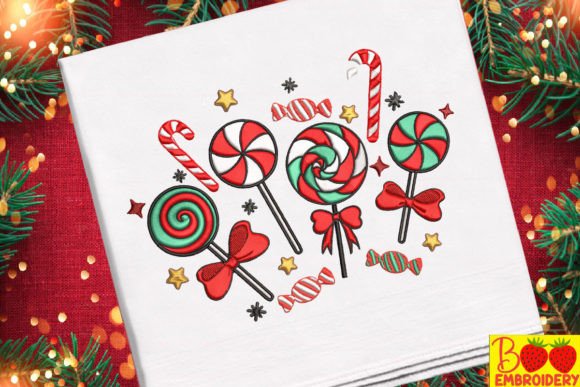
The decorative style of Candy Christmas feels both playful and elegant. It’s not heavy or dense; it has an airy, almost hand-drawn quality that translates well into thread. The elements suggest candy canes, peppermint rounds, and perhaps tiny ribbons or holly—all stitched with a softness that makes the design suitable for a wide range of fabric textures. I immediately thought of using it on a baby’s first Christmas blanket, a wedding gift towel set, or a set of personalized napkins for a family holiday dinner. The charm is that it doesn’t scream “novelty”; it whispers “keepsake.” That balance is rare and incredibly valuable for handmade product sellers.
Ideal Projects for Candy Christmas
Over the years, I’ve learned that a well-chosen embroidery design can elevate a simple item into a cherished gift. Here are some real-world applications where Candy Christmas would shine:
- Baby embroidery: A soft cotton onesie, a muslin swaddle, or a tiny baby blanket. The design’s gentle lines won’t overpower delicate baby items, and the Christmas theme makes it perfect for a baby’s first holiday photo shoot.
- Wedding gifts: Embroider it on a pair of white linen hand towels, tie them with a red ribbon, and you’ve got a heartfelt “First Christmas Together” gift. The sweetness of the design feels romantic and thoughtful.
- Family keepsakes: A pillow cover for the living room couch, a quilt block, or a fabric advent calendar. The design adds a layer of handmade tradition that families treasure.
- Nursery decor: Frame it in a small embroidery hoop as wall art, or stitch it on a crib sheet. The cozy, safe feel of the design makes it ideal for a child’s room.
- Embroidered towels: Kitchen towels, guest bathroom hand towels, or even a plush bath towel. The design pops well on a flat-weave cotton, and it’s a bestseller for craft fair tables.
- Pillow covers, blankets, aprons, tote bags: The design scales nicely for these items, and the Christmas theme opens up seasonal Etsy listings and gift box bundles.
- Custom gift boxes: Pair an embroidered item with a matching printable mockup, and you have a cohesive, high-perceived-value product for small shops.
Stitching on Different Fabrics: What to Expect
Every embroidery designer knows that a design’s charm on screen is only half the story. The real test is how it stitches out on real fabric. Candy Christmas has a few characteristics that demand careful planning.
Small Lettering and Delicate Details
If the design includes any tiny text or fragile linework, you’ll need to test it on your chosen fabric before committing to a final product. On tightly woven cotton, the details should hold beautifully. But on textured towels or loosely woven linen, those fine lines can blur or sink. I recommend using a sharp, thin needle (like a 75/11) and a high-quality 60-weight thread for the smallest elements, or checking if the design allows you to omit the tiniest details for fluffier surfaces.
Dense Details and Fabric Tension
While the overall stitch density of Candy Christmas appears moderate, candy shapes and decorative swirls can sometimes pack more stitches than expected. On stretchy baby clothes or thin knits, you must use a proper cut-away stabilizer to prevent puckering. On thick blankets, a topper stabilizer might be necessary to keep the stitches from sinking into the pile. I always test on a similar fabric scrap first—it’s the only way to avoid disappointing a customer.
Thread Color and Dark Fabric Contrast
The design likely uses traditional Christmas colors: red, white, green, maybe a touch of gold or silver. On dark fabrics, like a navy pillow cover or a charcoal tote bag, the white and bright tones will pop beautifully, but any darker green or red might need lightening. I always do a quick thread color comparison under natural light before stitching the final product. You can adjust the thread palette in your embroidery software if you need a bolder contrast.
Washing Durability and Finished Quality
For gifts that will be used and washed, durability is everything. Candy Christmas should hold up well if you use high-quality polyester thread and a stable stabilizer. I recommend a soft, no-show mesh cut-away stabilizer for clothing and blankets, and a tear-away for flat decor items like wall art. After stitching, trim jump threads carefully and press the design from the back with a pressing cloth. This small step makes the finished product look professional and gift-ready.
Enhancing Customer Trust and Emotional Value
When you sell handmade products, the design you choose becomes part of your brand story. Candy Christmas has a gentle, nostalgic quality that buyers associate with care, tradition, and genuine handmade warmth. Displaying a finished product—a neatly embroidered blanket, a set of towels tied with twine, a framed hoop—creates immediate emotional engagement in your Etsy shop or craft fair booth. The design’s softness makes it highly giftable: it feels personal without being overly specific, so it appeals to a broad audience. That kind of universal appeal builds trust and repeat customers.
Product Photography and Presentation
For digital product sellers and printable mockup creators, Candy Christmas is a dream. Its clean lines and clear shapes photograph well, and you can easily showcase it on light wood backgrounds, wrapped gifts, or next to sprigs of pine. The perceived quality jumps when the stitching looks crisp and the fabric is well-pressed. I always include a close-up of the stitch detail in my listings—buyers love seeing the thread texture. It reassures them that they’re buying a true handmade item, not a mass-produced print.
Practical Embroidery Notes for a Flawless Finish
Before you stitch Candy Christmas on a customer’s order, I recommend following these steps to ensure a professional result every time:
- Create a test stitch-out: Always run a sample on a piece of fabric similar to your final product. This reveals any density issues, thread breaks, or registration problems that might not be visible on screen.
- Check small details after stitching: Use a magnifying glass or your phone’s camera zoom to inspect tiny elements. Trim any stray threads, and if a delicate area didn’t stitch cleanly, consider whether you need to adjust the design’s size or use a finer needle.
- Compare thread colors: Hold your chosen threads against the fabric in daylight. The red that looks perfect on white might turn muddy on a beige linen. Small adjustments make a huge difference.
- Test on similar fabric: If you plan to stitch on a stretchy baby onesie, test on a scrap of similar interlock knit. If you’re stitching on a thick towel, test on a towel scrap. This step saves you from ruined blanks and disappointed customers.
- Confirm hoop size: Before you start, double-check that the design fits comfortably within your hoop, leaving at least 1 inch of clearance on all sides. A design that’s too close to the hoop edge can cause registration shifts.
- Review stitch density: If your software allows, check the stitch count and density map. Dense areas may need a slower machine speed or a different underlay.
- Use proper stabilizer: Match the stabilizer to the fabric and the design’s complexity. For gifts that will be washed often, a cut-away stabilizer is non-negotiable.
- Check product details and licensing: Since the product description provided by Creative Fabrica is brief, you must review the full listing on the platform. Look for the exact stitch count, available file formats, hoop size requirements, and machine compatibility. Also, verify the commercial license terms before selling finished products. These details are crucial for your small business and customer satisfaction.
Who Will Love This Design?
Candy Christmas is a strong choice for Creative Fabrica embroidery lovers who focus on heartfelt, sentimental gifts. It’s especially well-suited for:
- Etsy sellers creating holiday-themed baby sets, Christmas stockings, or personalized decor.
- Small shop owners who need a reliable, charming design for seasonal craft fairs and gift boxes.
- Baby product makers looking for a soft, non-gender-specific Christmas motif for blankets, bibs, and burp cloths.
- Wedding gift creators who design custom “First Christmas” items for newlyweds.
- Digital product sellers who incorporate embroidery designs into printable mockups or design bundles.
Final Thoughts on the Finished Product
After examining the machine embroidery design from every angle, I can confidently say that Candy Christmas has the potential to become a go-to file in your collection. Its sweetness is versatile, its mood is classic, and its emotional value is high. When you stitch it out, the finished product looks like something carefully made by hand, with love and attention—exactly what customers want when they search for a custom embroidery gift. The design’s gentle appeal makes it easy to photograph, simple to package, and a joy to give. Just remember to take the time to test, adjust, and present it beautifully. That extra care is what transforms a digital embroidery file into a treasured keepsake.