Christmas Cactus Embroidery Design Review
First Impression: Southwest Charm Meets Festive Warmth
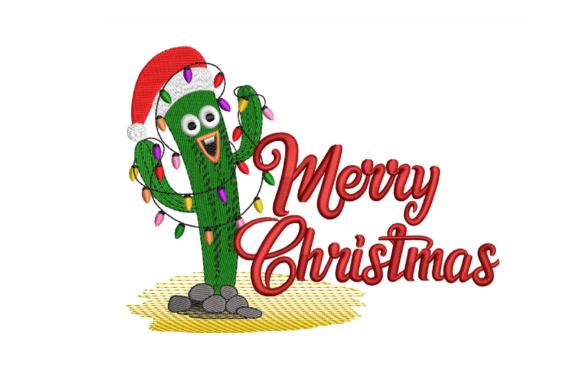
Right off the bat, Christmas Cactus lands with quiet confidence—not loud or cartoonish, but grounded, earthy, and subtly festive. It doesn’t scream “Christmas” with red-and-green glitz; instead, it whispers “handmade authenticity” with a cool southwestern touch. That’s gold for craft fairs. Shoppers scanning booths full of glittery Santas and snowflakes pause when they see something that feels intentional, botanical, and seasonally flexible. This isn’t just a holiday design—it’s a year-round statement piece that happens to bloom in December.
Where Christmas Cactus Shines on Craft Fair Products
In my booth setup—tote bags stacked at the front, aprons draped over a ladder rack, tea towels folded beside embroidered pouches—Christmas Cactus performs strongest where texture, scale, and intention intersect:
- Tote bag design: Centered on natural canvas or oatmeal linen, it reads clean from three feet away. The organic shape fills space without overwhelming—ideal for shoppers who want handmade utility with personality.
- Apron embroidery: Placed just above the pocket (not too high, not too low), it adds artisanal warmth without competing with functional details. Works especially well on denim or heavyweight cotton twill.
- Tea towel embroidery: On flour-sack or waffle-weave fabric, the design’s open structure avoids muddying the weave. Avoid dense stitch areas near hems—test first.
- Embroidered patch: With clean edges and moderate detail, it presses well onto denim jackets or market bags. Great for bundling as a small-shop product or gift add-on.
- Pillow cover & fabric pouch: These are where Christmas Cactus elevates perceived value. Its balanced composition reads premium—not “cute,” but considered—and supports higher price points at handmade markets.
What Makes It Sell—Beyond the Stitch
This machine embroidery design wins because it’s recognizable at a glance, photogenic for Etsy listings, and repeatable across product lines. At a craft fair, customers don’t read descriptions—they respond to visual cohesion. A single Christmas Cactus motif repeated across your tote bags, patches, and tea towels builds brand consistency without monotony. It also photographs beautifully: soft shadows under natural light highlight its dimensional stitch density, and the botanical flow translates well into printable mockups for social media and digital embroidery file previews.
Production Realities: What You Must Test Before Booth Day
Don’t assume this design will run flawlessly on your first try. As an embroidery designer who’s seen too many “almost-perfect” samples fail mid-fair, here’s what I always verify:
- Test the design on scrap fabric—especially if using textured towels or thick canvas. Dense stitch areas can pucker or sink into heavy weaves.
- Check thread contrast carefully. On dark fabric, subtle green gradients may vanish unless you choose high-contrast thread colors or add a light underlay.
- Review spacing and proportions before hooping. Does the cactus fit comfortably within your standard hoop size? If it’s tight, consider scaling down slightly for caps or small pouches.
- Inspect stitch density—especially around flower tips and leaf joints. Overly dense areas risk thread breakage on commercial embroidery machines or cause stiffness on soft fabrics.
- Use the right stabilizer: medium-weight cutaway for structured items like tote bags; tear-away for tea towels where softness matters.
- Create at least one real mockup—not just a digital preview. See how it drapes, folds, and catches light in person.
- Compare fabric colors side-by-side: a sage green thread might look muted on olive linen but pop on cream cotton.
- Confirm commercial licensing before selling finished products. Since this is a digital embroidery file sold for craft use, verify whether the license permits resale of physical handmade products.
Careful-Use Notes for Maximum Clarity
Christmas Cactus includes delicate botanical elements—fine tendrils, layered petals, and subtle shading—that demand attention during production:
- Avoid shrinking it below 3.5 inches wide on curved surfaces like caps—the flower detail blurs and loses definition.
- On textured towels, skip tiny interior stitches; they’ll disappear into the weave. Opt for simplified versions if available in the embroidery file set.
- Thick fabric + dense fill = risk of gapping or skipped stitches. Reduce density or adjust tension if needed.
- No lettering is mentioned in the description—so no worries about small text legibility—but do confirm there are no micro-details hidden in the design assets.
Why This Design Strengthens Your Booth & Brand
In a sea of generic holiday motifs, Christmas Cactus signals discernment. It tells customers you curate—not just create. That perception lifts the entire booth: shoppers linger longer, ask more questions, and remember your table. It also supports storytelling—“This cactus blooms in winter, just like our handmade process: patient, rooted, and full of quiet joy.” That kind of resonance drives repeat buyers, Instagram tags, and word-of-mouth referrals among local makers.
Final Thoughts for Etsy Sellers & Small Shop Owners
If you’re listing this as a digital embroidery file, pair it with lifestyle photos showing it stitched on multiple fabric types—not just white cotton. Show the same Christmas Cactus on a market bag, an apron, and a pillow cover. That visual range proves versatility and helps buyers imagine their own handmade product. For those producing physical goods, start small: embroider five tote bags, three tea towels, and two patches. Track which sells fastest at your next fair—you’ll likely find Christmas Cactus outperforms flashier designs simply because it feels *real*, *reusable*, and *thoughtfully made*.