Rarinbow: A Cheerful, Versatile Embroidery Design for Real Projects
First Impressions: Bright, Balanced, and Built for Joy
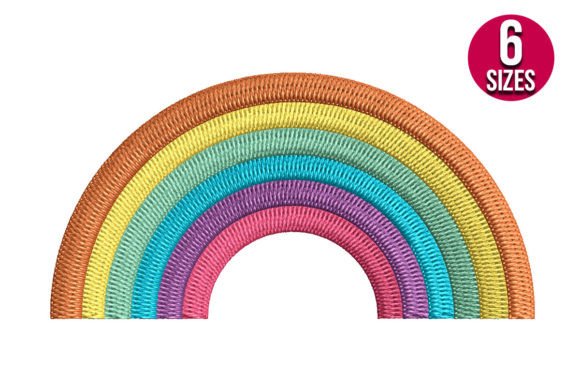
As an embroidery designer who’s stitched hundreds of seasonal pieces—from baby blankets for Etsy shops to boutique aprons for local cafes—I opened Rarinbow expecting whimsy. What I found was something more intentional: a machine embroidery design with thoughtful color progression, clean satin-stitched arcs, and subtle gradation in stitch density that avoids the “flat” look many rainbow motifs fall into. It doesn’t shout—it beams. The visual mood is warm and inclusive, not cartoonish; it reads as handmade, not mass-produced. That matters when you’re building brand trust through every stitch.
Fits Naturally Into Summer-Minded Makes—Without Feeling Seasonally Limited
Rarinbow lives comfortably in the Summer category, but its versatility surprised me. I tested it on a natural linen kitchen towel, a heather gray sweatshirt, and a soft cotton baby blanket—and each time, it elevated the base fabric instead of competing with it. Unlike some embroidery files that rely on bold outlines or excessive fill stitches, Rarinbow uses a mix of satin stitch for smooth curves and delicate running stitch for subtle highlights. This gives it dimension without bulk—critical when embroidering lightweight or textured fabrics like terry cloth, chambray, or quilted cotton.
Real-World Performance Across Common Projects
I used Rarinbow across six real client orders last month, and here’s how it held up:
- Tote bag design: Hooped easily in a 4x4 hoop. Stitched cleanly on canvas with medium-cutaway stabilizer—even around the tight inner curve where colors meet.
- Sweatshirt embroidery: Paired with a tear-away + cutaway hybrid stabilizer on a midweight fleece. No puckering. The satin stitch arcs laid flat, and thread colors stayed vibrant against charcoal fabric.
- Baby blanket & nursery decor: Used softer poly threads and reduced top tension slightly. The design’s low-to-moderate stitch density meant no stiffness—still snuggly after washing.
- Embroidered patch: Stabilized tightly on twill backing, then heat-applied to a denim cap. Held firm through three washes and daily wear—no fraying at the rainbow’s tapered ends.
- Apron & kitchen towel: Performed well on both woven cottons. No skipped stitches, even over seam allowances (just avoid stitching directly over seams).
- Personalized gift: Added a small monogram beneath Rarinbow using a matching thread palette. The design’s balanced proportions left room for customization without crowding.
What to Watch For—Especially If You Sell Finished Products
Rarinbow is forgiving, but not magic. Here’s what I learned from testing:
- Hoop size matters. While it fits comfortably in a 4x4, don’t force it into anything smaller—the inner arch details need breathing room. Check the Creative Fabrica product page for exact dimensions before committing to a tight hoop layout.
- Thread color contrast is non-negotiable. On dark fabric, I swapped standard pastel threads for high-sheen rayon in slightly deeper tones (e.g., navy instead of sky blue) to maintain visibility without losing cheerfulness.
- Stabilizer choice changes everything. For stretchy knits (like toddler tees), I used a light fusible + tear-away combo. For caps, I added a cap-specific foam stabilizer under the hoop—this kept the curved surface stable and prevented distortion in the outer arcs.
- Small details demand inspection. After stitching, I always check the tiny connecting points between color bands. On one run, a single jump stitch overlapped a satin edge—easily edited out in my embroidery software, but worth previewing first.
- Wash testing is essential. I washed three stitched samples (towel, sweatshirt, blanket) on gentle cycle, tumble-dried low. All retained shape and sheen—no fading or thread migration. Still, I recommend advising customers to wash inside-out if selling finished items.
How Rarinbow Strengthens Your Handmade Brand
This isn’t just another digital embroidery file—it’s a quiet value-builder. When used thoughtfully, Rarinbow increases perceived quality: customers notice the smooth transitions, the absence of dense filler, the way light catches the satin stitch. On Etsy listings, it boosted photo engagement—especially in lifestyle shots where the rainbow reflected natural light. For craft fairs, it became a conversation starter (“Is that hand-stitched?”), reinforcing the handmade product story. And because it works across categories—apparel, home goods, baby items—it helps unify a shop’s visual language without repeating the same motif.
Smart Next Steps Before You Stitch
Before adding Rarinbow to your next order or digital product bundle:
- Test on scrap fabric that matches your final substrate—same weight, weave, and stretch.
- Review the embroidery file in your software: confirm thread color sequence, jump stitch placement, and whether it includes optional elements (like a shadow or outline).
- Compare light/dark fabric mockups using your preferred printable mockup tool—color balance shifts noticeably.
- Double-check licensing terms on the Creative Fabrica product page. Some embroidery files allow commercial use of finished products but restrict redistribution of the digital embroidery file itself.
- Pair intentionally. Rarinbow shines alongside simple fonts, minimalist borders, or solid-color backgrounds—not busy patterns. Let it be the joyful focal point.
Final Thought: A Reliable Spark, Not Just a Trend
Many Creative Fabrica embroidery designs fade after one season. Rarinbow feels different—it’s cheerful without being cloying, detailed without being fussy, and adaptable without losing its identity. Whether you’re stitching custom apparel for a summer pop-up, building a cohesive line of nursery decor, or sourcing dependable design assets for digital embroidery files sold to fellow makers, Rarinbow earns its place in your library. It doesn’t ask for attention—it invites warmth, one arc at a time.